
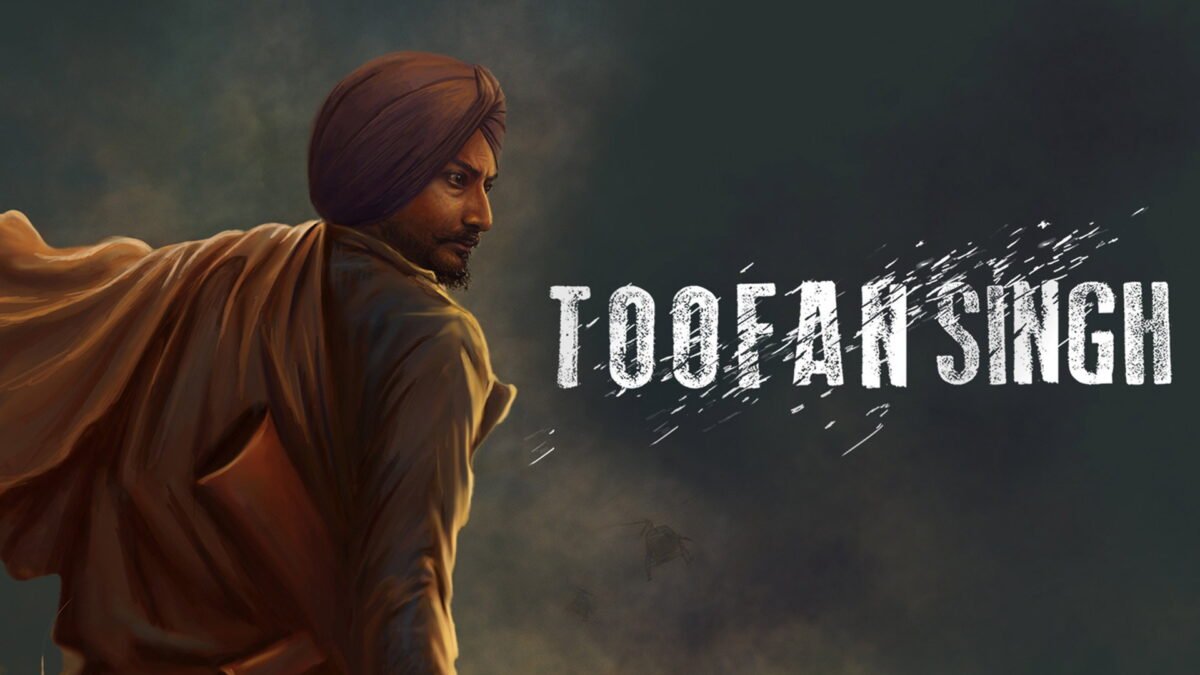
Meet the Cast


The name Toofan Singh evokes a storm of resistance, a promise of defiance that the 2017 Punjabi film strives to capture. Set against the chaotic backdrop of 1980s Punjab, the story follows a young Sikh who is thrust into a world of violence, political unrest, and personal loss, forcing him to choose between survival and a larger fight for justice. With a runtime of 142 minutes, the film attempts to balance raw action with a deeper look at the era’s social fractures, offering a lens into a period many outside the region know only through headlines.
Baghal Singh’s direction leans on a gritty aesthetic, while a cast led by Ranjit Bawa brings a palpable intensity to the screen. The film’s ambition is clear: to portray a turbulent chapter of Indian history through the eyes of a single, determined individual, and to ask whether one man can truly shield society from the forces of brutality and corruption.
Powerful performances anchor a turbulent narrative
Period setting feels authentic despite limited resources
Action sequences are gritty but sometimes uneven
Writing occasionally leans on familiar tropes
A compelling watch for fans of historical Punjabi cinema
Movie Snapshot
| Content type | Movie |
|---|---|
| Release / air date | 2017-08-04 |
| Runtime | 142 minutes |
| Genres | Action, Crime, Drama, History |
| Director / Creator | Baghal Singh |
| Writer | Surmeet Mavi, Dilbag Singh, Dheeraj Rattan |
| Original language | PA |
Story and Themes
The film follows a Punjabi Sikh boy who matures amid the violent upheavals of the 1980s, seeking survival, equality, and justice while confronting crime and corruption.
His journey is framed as a personal crusade against the systemic brutality that plagued his community during that decade.
The narrative weaves together family ties, political intrigue, and street-level conflict, positioning the protagonist as both victim and avenger.
Through his eyes, the audience experiences the everyday realities of a society caught between insurgency and state repression.
The premise promises a blend of biographical grit and broader social commentary, aiming to honor a real‑life figure while highlighting the era’s hardships.
The storyline proceeds in a largely linear fashion, tracing the protagonist’s evolution from an ordinary youth to a reluctant hero.
Key plot beats—family loss, encounters with law enforcement, and confrontations with criminal elements—serve to illustrate the escalating stakes.
While the film succeeds in portraying the oppressive atmosphere of 1980s Punjab, some transitions feel abrupt, leaving certain character motivations under‑explored.
The narrative balances personal vendetta with moments that hint at larger political commentary, though the latter sometimes recedes in favor of action set‑pieces.
Overall, the story maintains momentum, but occasional pacing lulls dilute the emotional impact of pivotal scenes.
Justice versus vengeance drives the central conflict, questioning the morality of violent resistance.
Survival amid systemic corruption highlights the human cost of political unrest.
Acting and Characters
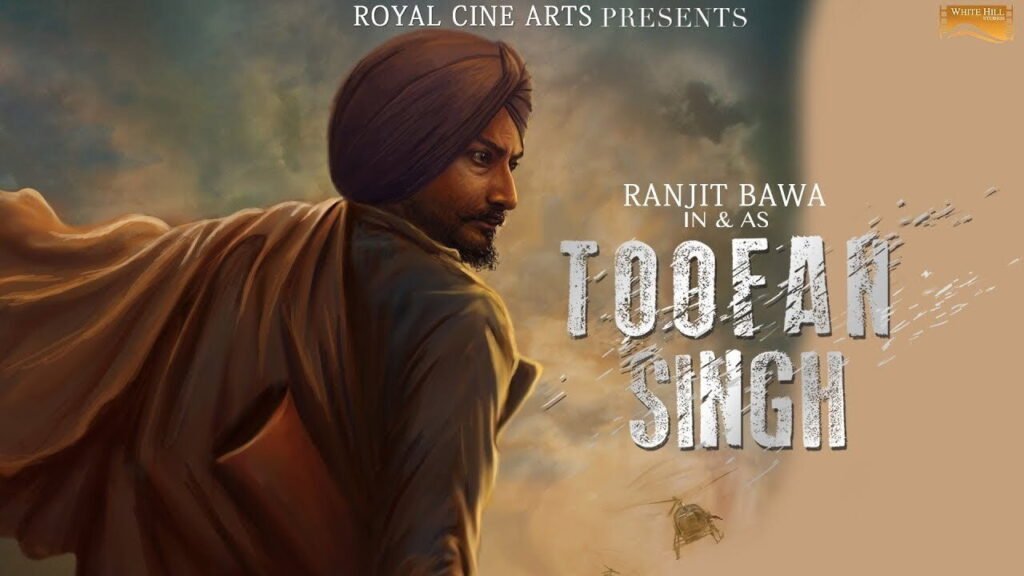
Ranjit Bawa delivers a committed performance, embodying both the vulnerability and ferocity required of the title character.
Shefali Sharma provides a steady emotional counterpoint as Sukhjeet Kaur, grounding the film’s more violent moments with tenderness.
Supporting actors such as Yashpal Sharma and Avtar Gill add gravitas, portraying authority figures with convincing authority.
The ensemble chemistry feels genuine, especially in scenes depicting familial bonds and community solidarity.
A few secondary roles suffer from limited screen time, preventing a fuller showcase of the talented cast.
Toofan Singh, portrayed by Bawa, is painted as a reluctant warrior whose moral compass is tested by relentless oppression.
Sukhjeet Kaur emerges as a compassionate anchor, representing hope and personal stakes beyond the battlefield.
Antagonistic figures, including the DGP and Home Minister, embody institutional corruption without excessive caricature.
The mother figure, played by Sunita Dhir, offers a poignant reminder of the personal cost of violence.
Side characters such as Kaaku and Lakha provide texture to the community, though their arcs remain peripheral.
Direction and Pacing
Baghal Singh’s direction prioritizes a raw, immersive atmosphere, using handheld camera work to heighten tension.
He balances large‑scale action with intimate character moments, though some sequences feel under‑choreographed.
The director’s handling of period details demonstrates respect for the setting, even when budget constraints are evident.
Overall, Singh’s vision is ambitious, aiming to blend biographical storytelling with social critique.
At 142 minutes, the film maintains a brisk pace during action set‑pieces but slows during exposition, leading to occasional rhythm dips.
Overall pacing aligns with the narrative’s escalation, though tighter editing could improve flow.
Cinematography and Production Design
Cinematography captures the starkness of Punjab’s landscape, employing muted palettes to reflect the era’s bleakness.
Lighting choices often emphasize shadows, reinforcing the film’s themes of oppression and hidden danger.
Action scenes are shot with kinetic energy, though occasional framing inconsistencies disrupt visual flow.
The camera work effectively conveys the claustrophobic atmosphere of urban conflict.
Production design recreates 1980s Punjabi towns through careful set dressing and period‑appropriate props.
Costumes reflect the socio‑economic divide, from modest village attire to militarized uniforms.
While some background details could be richer, the overall design supports the film’s historical grounding.
Music and Sound
The soundtrack blends traditional Punjabi instrumentation with contemporary beats, underscoring emotional beats without overpowering them.
Background scoring accentuates tension during chase sequences and softens during reflective moments.
What Works — and What Does Not
What Works
- Compelling lead performance by Ranjit Bawa
- Authentic period recreation of 1980s Punjab
- Balanced blend of action and social commentary
What May Not
- Occasional pacing lulls during exposition
- Some supporting characters lack depth
Who Should Watch?
Fans of Punjabi cinema seeking historically rooted drama
Viewers interested in action‑driven biopics
Audiences who appreciate films exploring social justice in turbulent eras
Final Verdict
Toofan Singh offers a gritty, emotionally resonant look at a turbulent chapter of Indian history.
Strong performances and authentic production design elevate the film beyond typical action fare.
While pacing issues and thin secondary arcs prevent perfection, the movie remains a worthwhile watch for its ambition and cultural relevance.
Verified Movie Facts
| Title | Toofan Singh |
|---|---|
| Production countries | India |
| Spoken languages | Punjabi |
| Certification | R18+ |
| Production companies | Royal Cine Arts |
| Series status | Released |
Frequently Asked Questions
What historical period does Toofan Singh depict?
The film is set in the 1980s, focusing on the violent and political unrest in Punjab, India.
Who directed Toofan Singh?
Baghal Singh is credited as the director of the film.
Is Toofan Singh available for streaming?
The movie is available on platforms such as Zee5 (ads) in the UAE and on the Chaupal Amazon Channel in several regions including Australia, the UK, and New Zealand.
What is the runtime of the film?
The film runs for approximately 142 minutes.