
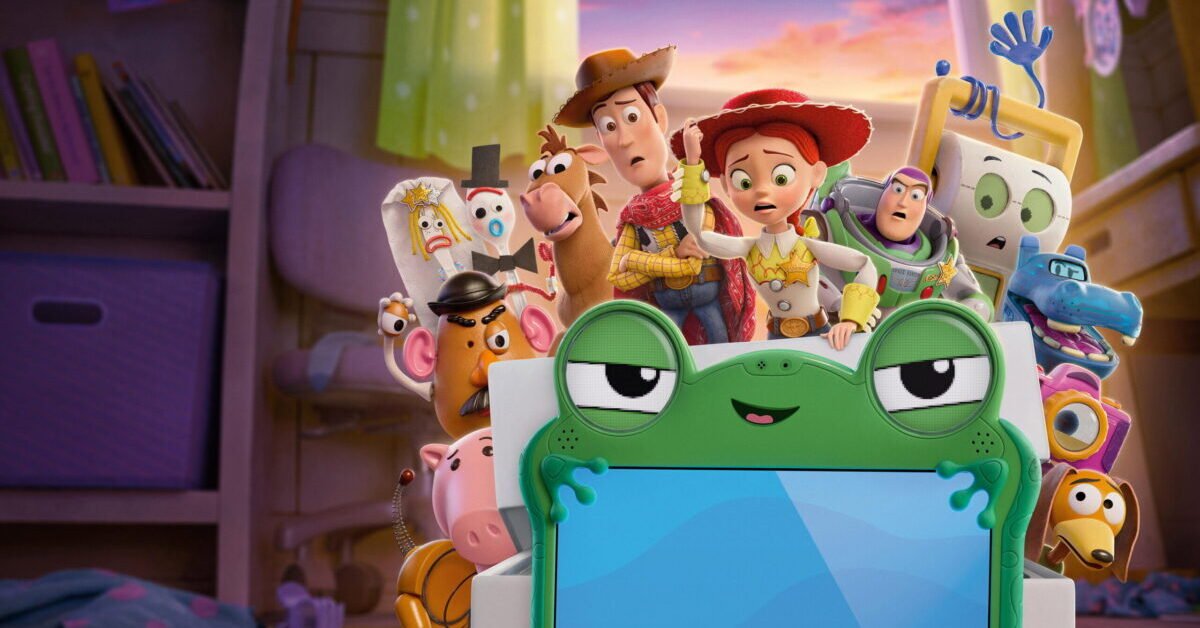
Meet the Cast


Pixar returns to its flagship franchise with Toy Story 5, a 102-minute animated comedy adventure directed by Andrew Stanton. The storyline shifts the classic toys' struggle into the modern digital age as Bonnie receives a smart tablet named Lilypad. As Bonnie becomes consumed by screen time, Woody, Buzz Lightyear, and Jessie must adapt to an existential challenge far different from past rivalries. The film tackles screen obsession, replacement anxiety, and evolving play patterns, bringing the familiar gang face-to-face with an electronic adversary that threatens to render physical play obsolete.
Written by Andrew Stanton and Kenna Harris, the narrative examines how traditional play environment dynamics change when personal electronics enter a child's bedroom. With Tom Hanks returning as Woody, Tim Allen as Buzz, and Joan Cusack as Jessie, the voice cast maintains the core chemistry established over previous chapters while expanding to accommodate new characters voiced by Greta Lee, Conan O'Brien, Craig Robinson, Shelby Rabara, and Mykal-Michelle Harris.
While TMDb user metrics reflect strong audience reception with an 8.3 rating across 2,460 votes, our independent editorial score evaluates the project on its thematic execution and narrative craft within the larger Toy Story Collection.
Toy Story 5 offers a timely reflection on screen time versus physical play, grounding its high-tech premise in familiar character dynamics.
Andrew Stanton's direction provides vibrant comedic sequences and energetic set pieces while steering the classic ensemble through fresh contemporary challenges.
While the narrative framework covers familiar ground regarding toy obsolescence and fear of replacement, the addition of voice talents like Greta Lee and Conan O'Brien gives the dynamic fresh energy.
Movie Snapshot
| Content type | Movie |
|---|---|
| Release / air date | 2026-06-17 |
| Runtime | 102 minutes |
| Genres | Animation, Family, Comedy, Adventure |
| Director / Creator | Andrew Stanton |
| Writer | Andrew Stanton, Kenna Harris |
| Collection / Franchise | Toy Story Collection |
| Original language | EN |
Story and Themes
The premise introduces an immediate modern threat to room dynamics when Bonnie receives a Lilypad tablet as a gift. The device quickly captures Bonnie's attention, shifting her daily routine away from imaginative physical play.
Faced with this sudden shift, Buzz Lightyear, Woody, Jessie, and the remaining toys realize that keeping playtime alive requires contesting a far more addictive medium than traditional rival playthings.
The story expands into a broader rescue mission across various settings, combining high-stakes action with buddy-comedy beats as the gang confronts digital displacement.
The narrative structures its conflict around the stark contrast between tangible objects and screen-based media, turning a common parenting dilemma into an animated adventure.
By weaving themes of abandonment, rivalry, and replacement into a mission-driven plot, the screenplay keeps tension high as the toys devise strategies to reclaim Bonnie's focus.
Subplots featuring new figures like Smarty Pants, Snappy, Blaze, and Atlas keep the narrative moving across setting shifts, maintaining momentum throughout the 102-minute runtime.
Screen time versus active imagination forms the central thematic pillar, examining how children interact with modern technology.
The narrative continues the franchise's ongoing exploration of replacement anxiety, evolving connection, and loyalty among childhood companions.
Acting and Characters
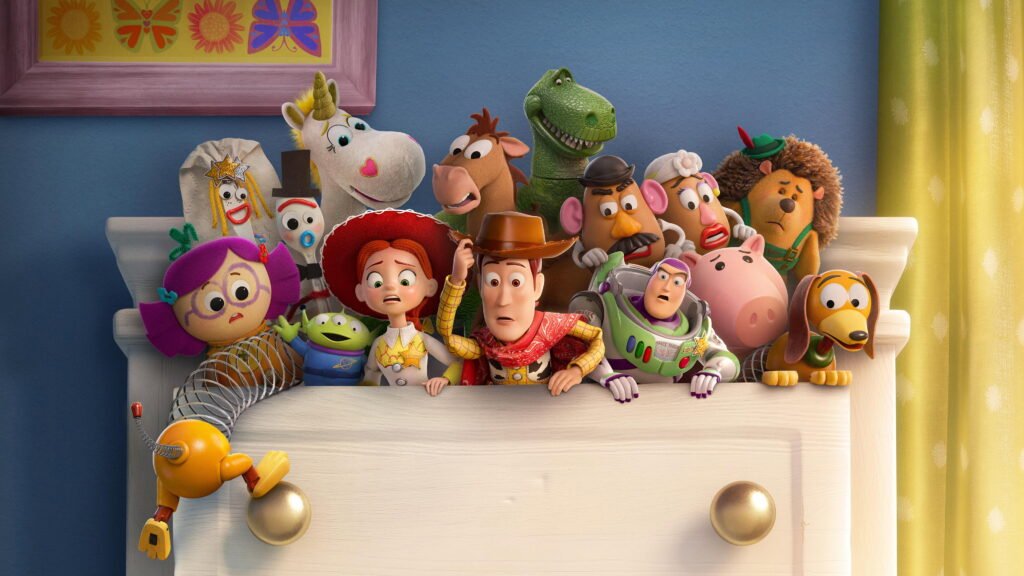
Tom Hanks brings familiar warmth and authority to Woody, while Tim Allen delivers Buzz Lightyear's signature earnest bravado.
Joan Cusack restores Jessie's signature high-energy presence, ensuring the original core trio provides emotional stability amid the changing play landscape.
Greta Lee voices the central new threat Lilypad with distinct charisma, and Conan O'Brien delivers sharp comedic timing as Smarty Pants, alongside supporting contributions from Craig Robinson, Shelby Rabara, Jay Hernandez, and Scarlett Spears.
Woody and Buzz continue to evolve as protective leaders, adjusting their traditional roles to address an intangible electronic threat rather than a rival action figure.
Bonnie's arc reflects typical childhood shifts toward personal tech, giving Scarlett Spears' performance an authentic focal point within the story.
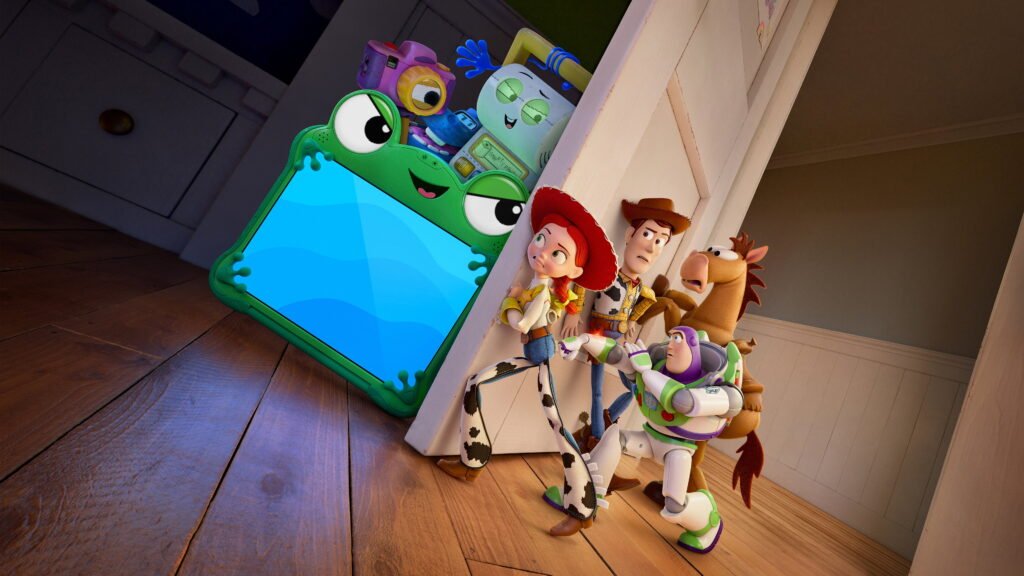
Lilypad serves as an intriguing antagonist, representing the alluring accessibility of modern digital devices while challenging what it means to be a child's companion.
Direction and Pacing
Director Andrew Stanton handles the large ensemble cast smoothly, ensuring both legacy icons and new arrivals receive meaningful screen time.
Stanton maintains a brisk visual rhythm, utilizing spatial awareness in set pieces to highlight the immense scale difference between small toys and digital gadgets.
At 102 minutes, the film maintains steady momentum by alternating high-energy rescue sequences with reflective character discussions.
The middle act moves efficiently as the mission expands, keeping the central conflict clear without dragging out plot turns.
Cinematography and Production Design
The 3D animation craftsmanship highlights fine textures, contrasting the plastic, cloth, and worn surfaces of physical toys against the sleek glass and illuminated screens of modern devices.
Dynamic camera moves during action set pieces enhance the physical scale of the toys' surroundings, emphasizing the sensory difference between tangible objects and flat screens.
Pixar's art direction distinguishes the physical warmth of Bonnie's room from the cold, polished aesthetics of contemporary digital hardware.
The design of new characters, from Lilypad's interactive interface to figures like Smarty Pants and Atlas, gives the visual world distinct physical character.
Music and Sound
The audio production supports the story's dual nature, mixing traditional orchestral motifs with subtle electronic sound cues during tablet sequences.
Spoken languages including English and Spanish enrich the soundscape, adding vocal variety across character interactions.
What Works — and What Does Not
What Works
- Engaging thematic focus on modern tablet obsession versus classic tactile play.
- Strong voice performances from returning leads Tom Hanks, Tim Allen, and Joan Cusack alongside addition Greta Lee.
- Sharp direction by Andrew Stanton that keeps the 102-minute runtime visually kinetic.
- High production quality in 3D animation detail, contrasting plastic textures with digital screen glow.
What May Not
- Revisits foundational narrative themes of toy replacement and abandonment seen in earlier entries.
- Some secondary original toys receive reduced screen time to make room for new high-tech characters.
Who Should Watch?
Ideal for families and longtime Pixar enthusiasts seeking a commentary on screen time and traditional play.
Recommended for animation fans who appreciate detailed 3D design and ensemble comedy.
Final Verdict
Toy Story 5 successfully updates Pixar's iconic series by confronting the modern reality of screen obsession.
With reliable voice work from Tom Hanks and Tim Allen, along with crisp direction from Andrew Stanton, the film delivers an entertaining, relevant family adventure.
Verified Movie Facts
| Title | Toy Story 5 |
|---|---|
| Production countries | United States of America |
| Spoken languages | English, Spanish |
| Certification | PG |
| Production companies | Pixar |
| Series status | Released |
Frequently Asked Questions
Who directed Toy Story 5?
Toy Story 5 was directed by Andrew Stanton, who also co-wrote the screenplay with Kenna Harris.
What is the runtime and rating for Toy Story 5?
The film has a runtime of 102 minutes and carries a PG rating in the United States.
Which main original cast members return for Toy Story 5?
Tom Hanks returns as Woody, Tim Allen as Buzz Lightyear, and Joan Cusack as Jessie.
What is the primary plot conflict in Toy Story 5?
The plot follows Woody, Buzz, and Jessie as they face competition from a new Lilypad tablet that dominates Bonnie's play time.