
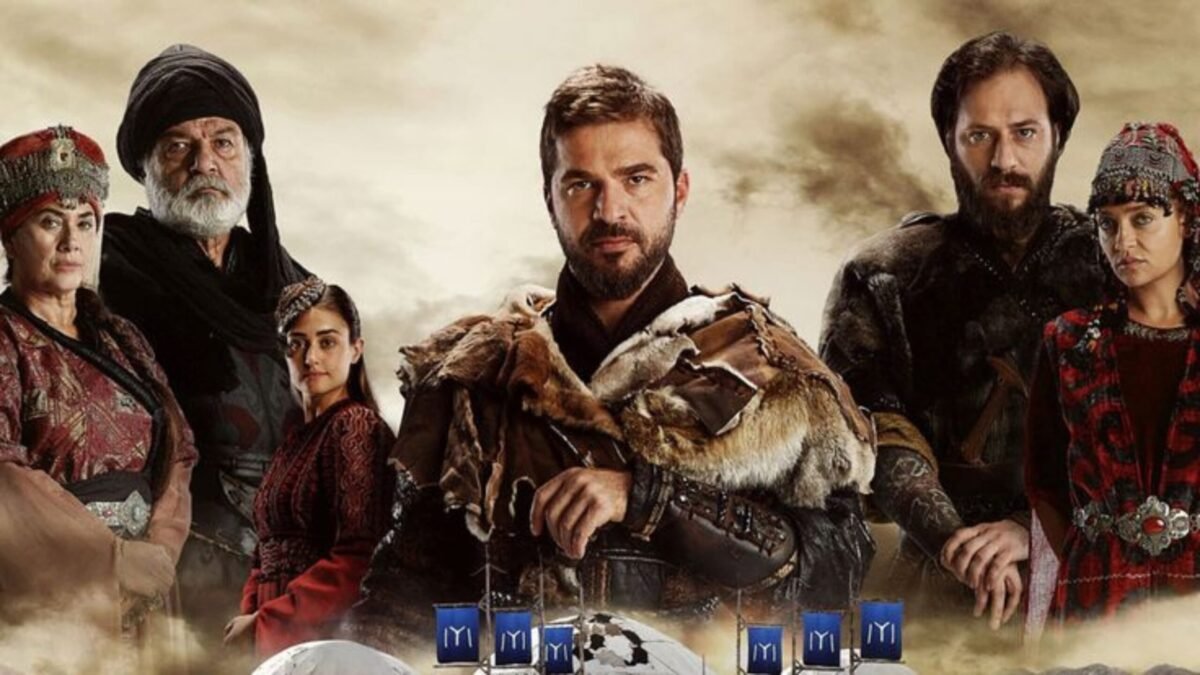
Meet the Cast


The historical drama series "Resurrection: Ertugrul" begins its epic narrative with its first episode, "Episode 1," which aired on December 11, 2014. This premiere immediately plunges viewers into a challenging era, setting a tone of conflict and survival. The episode establishes the setting as winter approaches Suleyman Shah's camp, introducing key characters and the initial stakes that will drive the story forward.
The narrative quickly unfolds with a significant event: Ertugrul's decision to rescue prisoners from the Crusaders during a hunt. This act of intervention is central to the episode's plot, demonstrating Ertugrul's character and initiating a direct confrontation with formidable adversaries. Simultaneously, the episode reveals the machinations of Commander Titus and Ustadi Azam as they begin to build a new army, signaling the broader geopolitical tensions at play.
This initial installment serves as a foundational piece, introducing the series' core themes of leadership, conflict, and the struggle for survival. It lays the groundwork for the intricate relationships and historical backdrop that define "Resurrection: Ertugrul," promising a series rich in drama and action.
A strong opening episode that effectively sets the stage.
Introduces key characters and central conflicts.
Establishes a compelling historical drama.
Engaging action sequences drive the plot.
Episode Snapshot
| Content type | Drama Series |
|---|---|
| Release / air date | 2014-12-11 |
| Runtime | 120 minutes |
| Season | 1 |
| Episode | 1 |
| Seasons | 5 |
| Episodes | 150 |
| Genres | War & Politics, Action & Adventure, Drama |
| Network | TRT 1 |
| Original language | TR |
Episode Recap
As winter draws near, Suleyman Shah's camp faces the challenges of the season. During a hunting expedition, Ertugrul encounters Crusaders holding prisoners and takes action to rescue them.
This rescue mission has immediate consequences, drawing the attention of the Crusaders. Concurrently, Commander Titus and Ustadi Azam are shown to be actively building a new army, indicating a growing threat.
The episode concludes with the implications of Ertugrul's actions becoming clear, setting the stage for ongoing conflicts and the unfolding drama of the season.
The premiere episode of "Resurrection: Ertugrul" quickly establishes its premise: the challenges faced by Suleyman Shah's camp as winter looms and the escalating conflicts with external forces. The episode centers on Ertugrul's decisive action to rescue prisoners from the Crusaders, an event that directly propels the narrative.
This initial premise effectively introduces the core struggle for survival and the constant threat from opposing factions. The simultaneous revelation of Commander Titus and Ustadi Azam forming a new army underscores the widespread nature of the conflict and sets up a clear antagonist dynamic.
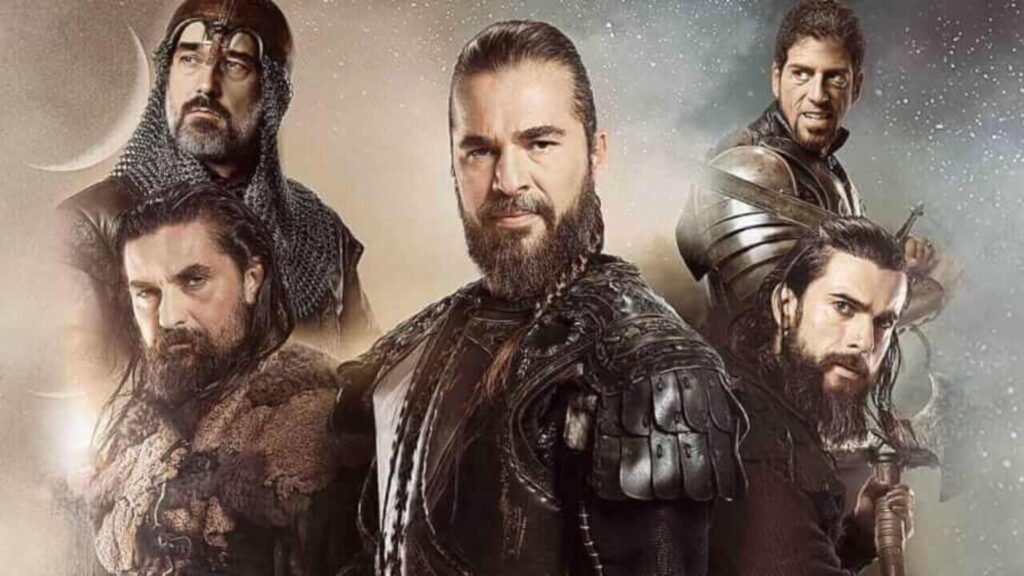
Key Story Developments
Ertugrul rescues prisoners from the Crusaders, initiating a direct conflict.
Commander Titus and Ustadi Azam begin assembling a new army, establishing a major antagonist force.
The episode establishes the harsh conditions and threats facing Suleyman Shah's camp as winter approaches.
The story in "Episode 1" is driven by Ertugrul's pivotal decision to intervene during a hunt, leading to the rescue of prisoners. This act immediately places him and his people in a precarious position, escalating tensions with the Crusaders.
The narrative skillfully intertwines the immediate dangers faced by Suleyman Shah's camp with the broader political landscape, exemplified by the emergence of Commander Titus and Ustadi Azam's forces. This dual focus creates a sense of both personal and collective struggle.
The pacing of the story is effective, balancing the introduction of characters and setting with crucial action sequences that advance the plot quickly.
Character Moments and Performances
Ertuğrul is immediately established as a central figure, characterized by his bravery and a strong sense of justice, evidenced by his decision to rescue the prisoners. This act defines his role as a proactive and decisive leader.
Süleyman Şah is portrayed as a patriarch and a leader, concerned with the well-being of his people, particularly as winter approaches. His character sets the tone for the community's struggles.
The introduction of Commander Titus and Ustadi Azam immediately positions them as key antagonists, representing the external threats and strategic challenges the protagonists will face throughout the series.
Engin Altan Düzyatan as Ertuğrul delivers a performance that establishes the character's courage and leadership from the outset. His portrayal effectively conveys the weight of his actions and their immediate consequences.
Serdar Gökhan as Süleyman Şah provides a foundational presence, embodying the authority and concerns of a leader facing difficult circumstances.
The supporting cast, including Kaan Taşaner as Gündoğdu and Esra Bilgiç as Halime, contribute to the ensemble, helping to build the initial dynamics within the camp and among the families.
Writing, Direction and Themes
The writing in the premiere episode efficiently introduces the historical context and the central conflict without relying on excessive exposition. Dialogue helps to establish character motivations and relationships.
The plot points are clearly defined, particularly Ertugrul's rescue mission, which acts as a catalyst for the unfolding events. The setup for the antagonist forces is also handled effectively.
The script manages to convey the stakes involved, from the harshness of the approaching winter to the immediate danger posed by the Crusaders.
The direction effectively captures the scope of the historical setting and the intensity of the action sequences. The establishment of the camp and the outdoor environments conveys a sense of authenticity.
The camera work during the rescue scene is dynamic, enhancing the impact of Ertugrul's intervention. The direction ensures that the key plot points are clear and impactful.
The framing of the characters helps to convey their emotional states and their roles within the unfolding drama.
The theme of leadership is central, exemplified by Ertugrul's decisive actions and Suleyman Shah's concerns for his people. The episode explores the responsibilities and challenges of leadership in a time of conflict.
Survival is another prominent theme, as the approaching winter and external threats constantly remind the characters of their precarious existence.
Justice and intervention are explored through Ertugrul's choice to rescue the prisoners, highlighting the moral dimensions of his character and the broader conflicts.
Visuals, Music and Pacing
The cinematography in "Episode 1" establishes a visual tone that reflects the historical period and the rugged environment. Shots of the natural landscape effectively convey the approaching winter and the challenges it presents.
During action sequences, the cinematography is clear and focused, allowing the audience to follow the events effectively. The use of lighting contributes to the dramatic atmosphere of key scenes.
The visual composition helps to highlight the importance of character interactions and the scale of the conflicts.
The production design successfully creates the setting of Suleyman Shah's camp, conveying a sense of authenticity for the period. The costumes and props further immerse the viewer in the historical world.
The design of the Crusader elements and their presence establishes a visual contrast with the protagonists, highlighting the clash of cultures and forces.
The attention to detail in the environments helps to ground the narrative and make the world feel lived-in and real.
The music score in the premiere episode effectively supports the dramatic tone of the series. It builds tension during conflict scenes and adds emotional depth to character moments.
The soundtrack helps to underscore the epic nature of the historical narrative, contributing to the overall immersive experience.
The musical cues are well-placed, enhancing the impact of pivotal events without overpowering the dialogue or action.
The pacing of "Episode 1" is well-balanced, allowing for the necessary exposition to introduce characters and the setting while also quickly moving into significant plot developments.
The episode maintains a steady rhythm, building suspense during the rescue mission and then accelerating as the consequences of Ertugrul's actions become apparent. This keeps the audience engaged throughout.
The introduction of multiple storylines, such as the camp's preparations for winter and the antagonists' plans, is handled efficiently, contributing to the brisk pace.
Ending Analysis
The episode concludes with the immediate aftermath of Ertugrul's rescue mission, leaving the audience with a clear understanding of the heightened tensions and the new dangers that have been unleashed. It effectively sets up the premise for the subsequent episodes without a definitive resolution.
The ending emphasizes the precarious situation of Suleyman Shah's people and the formidable nature of their adversaries, ensuring viewers are engaged for the continuation of the story.
What Works — and What Does Not
What Works
- Strong establishment of characters and their motivations.
- Engaging action sequences that drive the plot.
- Effective world-building and historical atmosphere.
- Clear introduction of central conflicts and antagonists.
What May Not
- Some initial exposition might feel dense for new viewers.
- The long runtime could be a challenge for some audiences.
Who Should Watch?
Recommended for viewers who enjoy historical dramas with a focus on action and political intrigue.
Ideal for those interested in Turkish television series and epic narratives.
Viewers looking for a series with strong central characters and a clear sense of conflict will likely appreciate this episode.
Final Verdict
The premiere of "Resurrection: Ertugrul" delivers a compelling start to the series. It successfully introduces a challenging historical setting, establishes key characters, and ignites the central conflicts that will drive the narrative. Ertugrul's decisive actions immediately set a high bar for the drama and action to follow. While the initial setup is extensive, it lays a solid foundation for the epic story ahead.
Verified Episode Facts
| Title | Resurrection: Ertugrul — S01E01 Episode 1 |
|---|---|
| Original title | Diriliş: Ertuğrul |
| Production countries | Turkey |
| Spoken languages | Bengali, Spanish, Turkish, Urdu |
| Certification | NR |
| Production companies | TRT, Tekden Film |
| Series status | Ended |
| Last air date | 2019-05-22 |
Frequently Asked Questions
What is the main plot of "Resurrection: Ertugrul" S01E01?
In the first episode, as winter approaches Suleyman Shah's camp, Ertugrul rescues prisoners from the Crusaders, which in turn leads Commander Titus and Ustadi Azam to begin forming a new army.
Who are the main characters introduced in this episode?
The main characters introduced include Ertuğrul (Engin Altan Düzyatan), Süleyman Şah (Serdar Gökhan), Gündoğdu (Kaan Taşaner), Halime (Esra Bilgiç), and the antagonists Commander Titus and Ustadi Azam.
When did "Resurrection: Ertugrul" S01E01 first air?
The first episode of "Resurrection: Ertugrul" premiered on December 11, 2014.