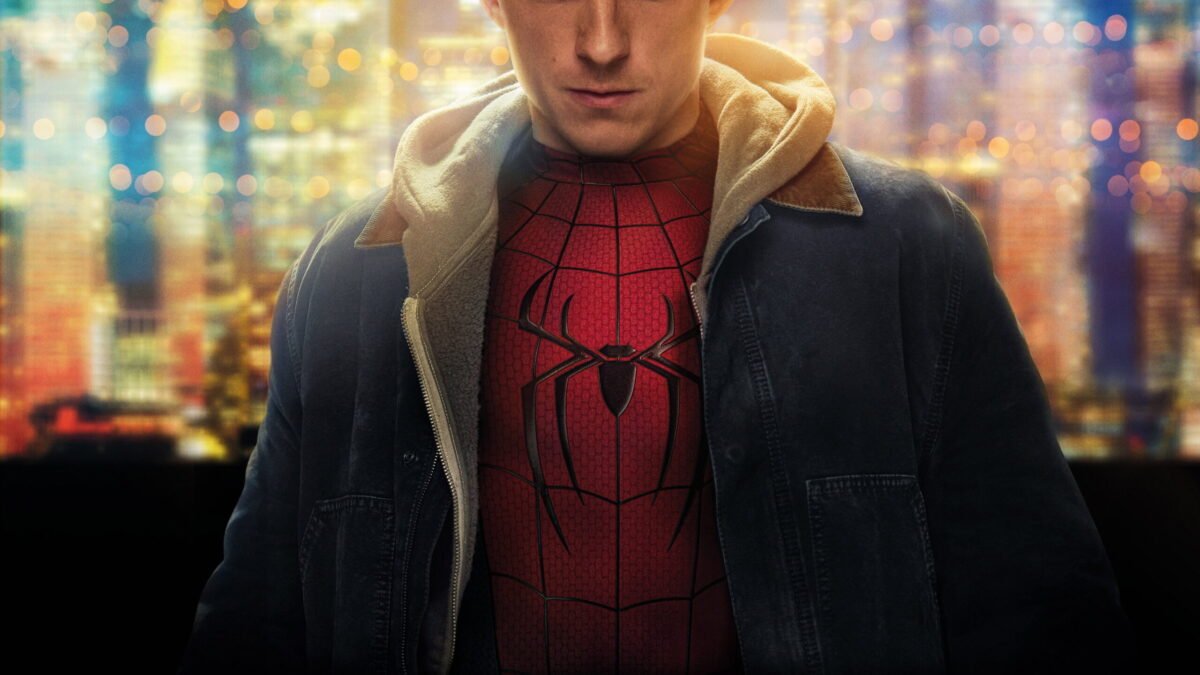
Meet the Cast



Spider-Man: Brand New Day places Peter Parker in a devastatingly isolated position, forced to defend a city that no longer remembers his true identity while watching his closest friends move forward without him. The narrative tension relies on the psychological weight of full-time crime-fighting alongside an internal transformation he struggles to control. When an unseen, mysterious villain threatens New York City and the people Peter still secretly cherishes, his personal burden turns into a fight for survival. This sharp contrast between absolute anonymity and high-stakes superhero duties gives the narrative a distinct, emotionally charged foundation.
Scripted by Erik Sommers and Chris McKenna, the movie picks up Peter's narrative path after total public memory erasure. Operating without a safety net, Peter works non-stop as a masked vigilante in New York City. The film examines how emotional fatigue and social erasure impact a hero who must protect everyone without drawing personal support from anyone.
Directed by Destin Daniel Cretton, this entry blends science fiction elements, comic book tropes, and urban action. By pairing intense street-level heroism with broader Marvel Universe encounters, the story tests Peter's resilience while introducing new conflicts tied to mind control, genetic mutation, and unseen dangers.
Movie Snapshot
| Release date | 2026-07-29 |
|---|---|
| Runtime | 145 minutes |
| Genres | Science Fiction, Action, Adventure |
| Director | Destin Daniel Cretton |
| Writer | Erik Sommers, Chris McKenna |
| Original language | EN |
Story and Themes
The primary conflict in Spider-Man: Brand New Day revolves around Peter's dual identity and the heavy toll of isolation. Deprived of his historical ties to friends like MJ and Ned Leeds, Peter throws himself into full-time hero work. The screenplay builds its dramatic stakes on his internal conflict—a physical and psychological shift brewing within him that threatens to overpower his control—just as a mysterious, unseen adversary begins operating across New York.
Sommers and McKenna focus on themes of transhumanism, secret identities, and hidden corruption. The introduction of an invisible threat forces Peter to adapt his battle strategies, making the narrative feel more like a suspenseful urban investigation than a standard villain showdown. The pacing balances quiet character moments of loneliness with energetic set pieces across the city canvas.
Narratively, the film avoids simple reset mechanics. Instead, it commits to the pain of Peter watching loved ones build lives without him, adding genuine emotional weight to every victory and setback. The inclusion of figures like Frank Castle, Bruce Banner, and Yelena Belova broadens the scope, challenging Peter's philosophy on justice and heroics.
Acting and Characters
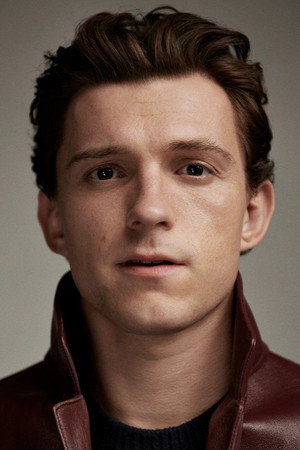
Tom Holland delivers a focused performance that reflects Peter Parker's maturation and exhaustion. Freed from the high school dynamic of earlier installments, Holland portrays a battle-weary hero grappling with grief, solitude, and an unsettling personal evolution. His interactions with returning cast members Zendaya as MJ and Jacob Batalon as Ned carry an effective tragic undertone, as Peter must maintain distance from those who no longer know him.
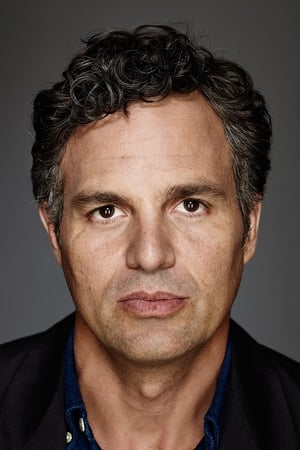
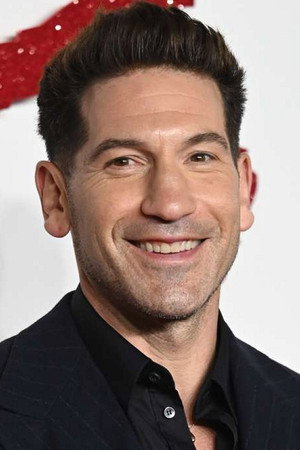
The supporting ensemble adds distinct dynamic layers to Peter's world. Mark Ruffalo as Bruce Banner and Jon Bernthal as Frank Castle provide contrasting ideological mirrors—one grounded in scientific restraint and the other in unforgiving vigilante justice. Florence Pugh's Yelena Belova brings grounded grit, while Sadie Sink's Jean Grey and supporting appearances from Marisa Tomei, Liza Colón-Zayas as Detective Jean DeWolff, and Tramell Tillman as William 'Bill' Metzger fill out an expansive community surrounding Peter's ongoing fight.
Direction and Pacing
Director Destin Daniel Cretton shapes the film around grounded tension and dynamic movement. Rather than relying solely on grand spectacle, Cretton emphasizes the tactical difficulty of fighting an antagonist who cannot be seen. This directorial choice keeps action sequences anchored in physical problem-solving and immediate danger.
Cretton also balances the broad character ensemble with Peter's personal storyline. The direction maintains a consistent focus on Peter's point of view, ensuring that despite the presence of heavy-hitting guest characters like Hulk and Punisher, the emotional heart of the story remains strictly centered on Spider-Man's personal trial.
Visual Craft
Visualizing an unseen villain presents a unique technical task for a superhero feature. The camera framing and lighting emphasize shadow, empty space, and sudden environmental disruptions, effectively creating tension around invisible threats moving through New York City.
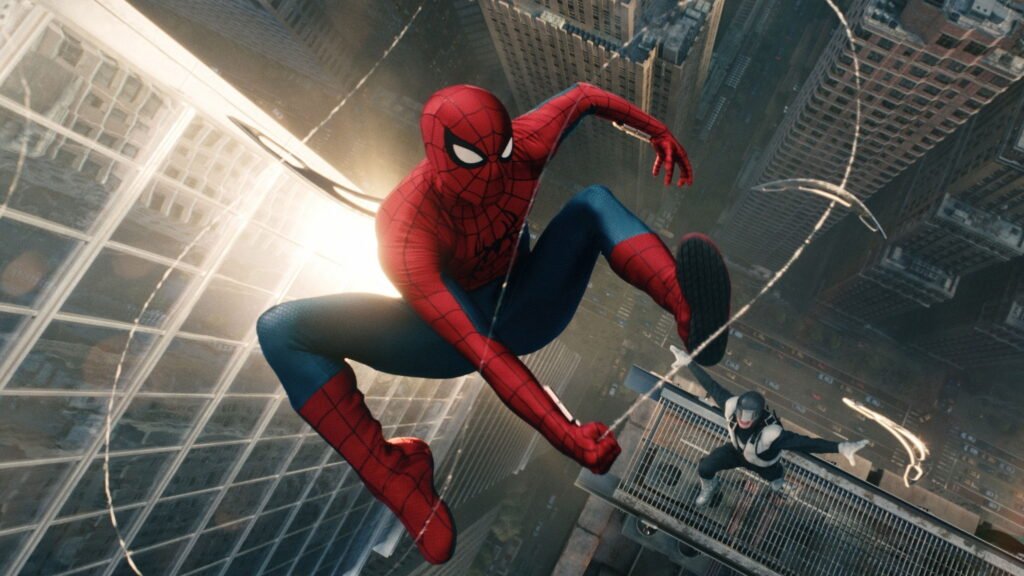
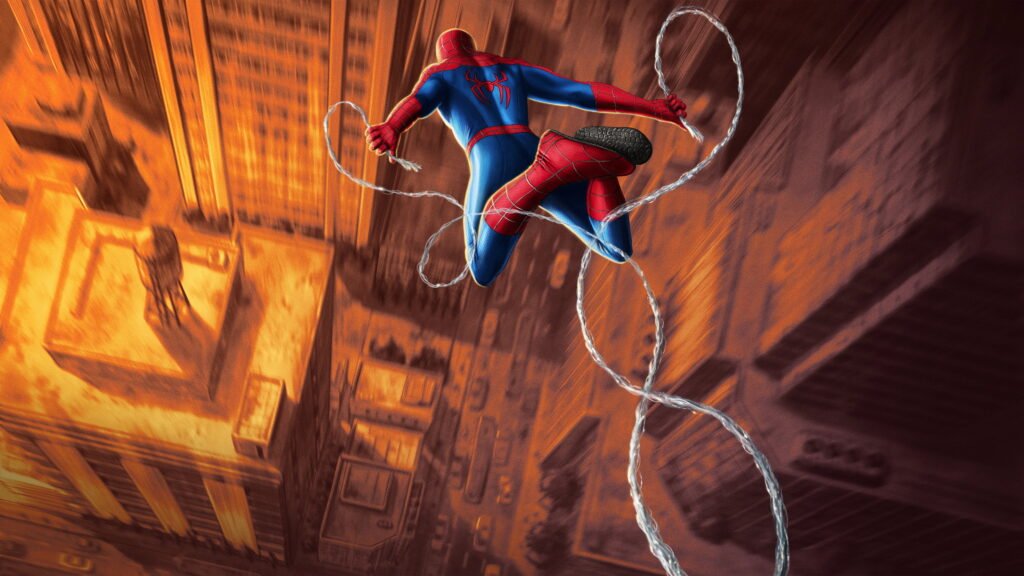
The visual language contrasts the cold, detached urban skyline of New York with the fast-moving agility of Spider-Man's web-slinging. Visual cues highlight Peter's physical strain and the terrifying nature of mind-control elements introduced throughout the plot.
Music and Sound
Musically, the audio design needs to carry heavy narrative weight, given the antagonist's hidden presence. Sound cues, ambient tension, and rhythmic scoring serve to signal unseen danger and heighten the psychological isolation Peter experiences throughout his citywide patrol.
What Works — and What Does Not
What Works
- Compelling thematic focus on Peter Parker's total social isolation and personal sacrifice.
- Strong, mature lead performance by Tom Holland anchoring the film's emotional weight.
- Engaging mystery built around an unseen antagonist and urban tension.
- Thoughtful integration of secondary Marvel characters like Bruce Banner and Frank Castle.
What May Not
- Managing a large supporting ensemble occasionally risks pulling focus from Peter's main struggle.
- The 145-minute runtime requires patience during middle-act plot setups.
Who Should Watch?
Spider-Man: Brand New Day is well-suited for viewers looking for a more mature, emotionally complex chapter in Peter Parker's ongoing arc. Fans of urban crime stories, superhero action, and character-driven sci-fi will appreciate the narrative emphasis on identity, sacrifice, and tactical mystery.
Parents and younger viewers should note that the film carries a PG-13 style action framework involving vigilante violence, intense psychological peril, mind-control themes, and dark confrontation elements suited for teens and adults.
Final Verdict
Spider-Man: Brand New Day offers a solid, emotionally resonant continuation of Peter Parker's story. By fully leaning into the consequences of his anonymity and pairing him against an elusive threat, the film delivers effective dramatic tension alongside strong action sequences.
Guided by Destin Daniel Cretton's clear direction and Tom Holland's dedicated performance, this chapter succeeds in highlighting the enduring resilience of its main hero.
Verified Movie Facts
| Title | Spider-Man: Brand New Day |
|---|---|
| Production countries | United States of America |
| Spoken languages | English |
| Certification | PG-13 |
| Production companies | Marvel Studios, Columbia Pictures, Pascal Pictures, TSG Entertainment |
Frequently Asked Questions
Who directed Spider-Man: Brand New Day?
Destin Daniel Cretton directed Spider-Man: Brand New Day, working from a screenplay written by Erik Sommers and Chris McKenna.
Which key cast members appear in Spider-Man: Brand New Day?
The film stars Tom Holland as Peter Parker / Spider-Man, along with Zendaya, Mark Ruffalo, Jon Bernthal, Jacob Batalon, Sadie Sink, Florence Pugh, Liza Colón-Zayas, Tramell Tillman, and Marisa Tomei.
What is the main story premise of Spider-Man: Brand New Day?
The film follows Peter Parker fighting crime full-time in New York City after the world forgets his identity. As he copes with isolation and an inner transformation, he must stop an invisible villain threatening the city.
What genres does Spider-Man: Brand New Day fall under?
Spider-Man: Brand New Day is categorized under Science Fiction, Action, and Adventure.