
Meet the Cast


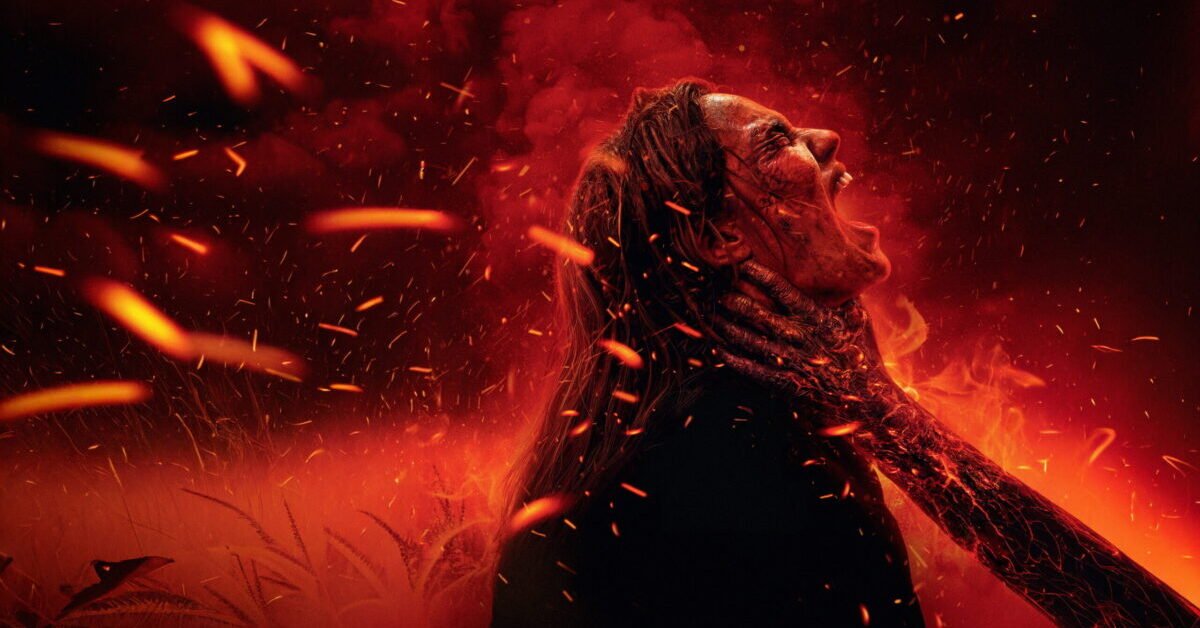
The newest entry in the Evil Dead franchise arrives with a promise that feels both familiar and unsettling: a grieving widow, a cursed family, and demons that thrive on fear. "Evil Dead Burn" drops on July 7, 2026, and its tagline – “Every family has its demons.” – hints at a story that intertwines personal loss with supernatural terror. The film’s 110‑minute runtime suggests a brisk ride, and the involvement of New Line Cinema, Screen Gems, and Ghost House Pictures raises expectations for a polished, gore‑laden experience.
Building on the legacy of its predecessors, the movie places Souheila Yacoub’s Alice at the center of a nightmare that unfolds within her late husband’s extended family. As the family members begin to transform into fear‑feeding creatures, the narrative promises a blend of visceral horror and emotional stakes. While we have not viewed the film personally, the available details allow us to assess its creative ambitions, technical execution, and potential appeal to horror enthusiasts.
Visually striking gore and practical effects
Strong central performance by Souheila Yacoub
Effective use of family dynamics to heighten tension
Predictable plot beats in places
Solid production values from seasoned horror houses
Movie Snapshot
| Content type | Movie |
|---|---|
| Release / air date | 2026-07-07 |
| Runtime | 110 minutes |
| Genres | Horror |
| Director / Creator | Sébastien Vaniček |
| Writer | Sébastien Vaniček, Florent Bernard |
| Collection / Franchise | Evil Dead (Reboot) Collection |
| Original language | EN |
Story and Themes
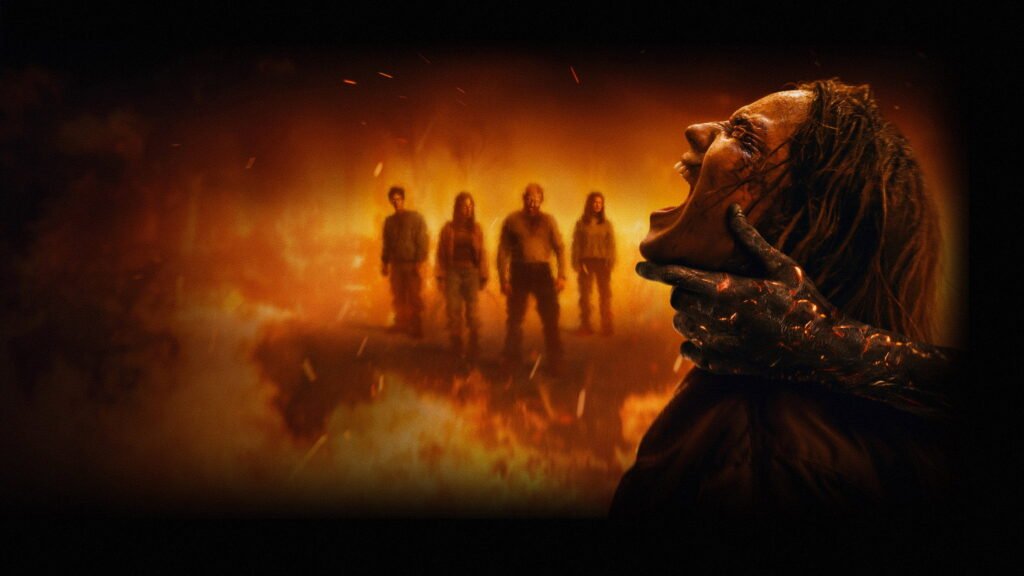
Alice, still reeling from her husband’s sudden death, seeks refuge with his relatives, a family tied to a pioneering researcher of demonic possession. The gathering quickly spirals as each member begins to mutate into a creature that feeds on their deepest fears, forcing Alice to confront both supernatural threats and her own lingering grief.
The premise intertwines classic possession horror with a personal tragedy, positioning grief as the catalyst for the terror. By anchoring the horror in a family setting, the story aims to explore how unresolved emotions can become literal monsters. The tagline underscores this duality, suggesting that the true horror may stem as much from familial dysfunction as from the demonic entities themselves.
The narrative follows a conventional three‑act structure: an inciting incident (the husband’s death), a descent into supernatural chaos, and a climactic confrontation with the demonic force. This framework provides clear pacing for a 110‑minute film, allowing the story to build tension without overstaying its welcome.
Themes of loss, guilt, and the burden of vows are woven throughout, giving the horror a psychological edge. The script leans on the idea that fear is a consumable resource for the antagonists, a concept that reinforces the emotional stakes without relying solely on jump scares.
While the plot introduces an intriguing premise, some of the twists feel anticipated, especially given genre conventions. Nevertheless, the integration of family drama offers moments of genuine pathos that elevate the material beyond pure spectacle.
Grief and unresolved trauma serve as the emotional backbone, illustrating how personal loss can manifest as literal monsters.
Family dysfunction is explored through the lens of inherited secrets and the pressure of legacy, aligning with the tagline’s suggestion of internal demons.
The film also comments on the consumption of fear, portraying terror as both a weapon and a sustenance for evil forces.
Acting and Characters
Souheila Yacoub anchors the film as Alice, delivering a performance that balances vulnerability with determined resolve. Her portrayal conveys the weight of bereavement without resorting to melodrama, grounding the supernatural chaos in a relatable human experience.
Tandi Wright (Susan) and Hunter Doohan (Joseph) provide solid supporting work, adding layers to the family dynamic. Their interactions with Yacoub’s character hint at underlying tensions that the demonic threat later amplifies.
The ensemble, including Luciane Buchanan, Erroll Shand, and George Pullar, contributes competent performances that serve the horror tone. While none achieve breakout status, the cast collectively maintains the film’s atmospheric consistency.
Alice is defined by grief‑driven purpose; her journey from mourning widow to reluctant survivor drives the emotional core of the film.
Susan, the matriarch, embodies the protective yet secretive family figure, her decisions shaping the group’s response to the escalating threat.
Joseph, as the skeptical younger relative, provides a foil to Alice’s desperation, offering moments of tension and occasional levity.
Secondary characters such as Thya, Edgar, and Will serve as narrative mirrors, each reflecting a different facet of familial dysfunction that the demonic possession exploits.
Direction and Pacing
Director Sébastien Vaniček brings a measured approach to the material, favoring atmospheric tension over relentless shock. His background in horror is evident in the deliberate pacing of set‑pieces and the careful framing of each creature reveal.
Vaniček’s direction emphasizes the claustrophobic feel of the family house, using tight shots to amplify the sense of entrapment. The film’s tonal shifts—from mournful introspection to visceral gore—are handled with a steady hand, preventing tonal whiplash.
At 110 minutes, the film maintains a brisk rhythm, with the first act establishing grief and family dynamics, the second act escalating supernatural occurrences, and the final act delivering a concentrated climax.
The pacing benefits from well‑timed set‑pieces that prevent the narrative from stagnating, though a few transitional scenes feel slightly perfunctory.
Cinematography and Production Design
Cinematographer (unnamed in the record) employs a muted color palette punctuated by sudden splashes of crimson, reinforcing the film’s theme of hidden danger erupting into visible horror.
Lighting choices favor shadows and practical sources, creating a dim, oppressive atmosphere that suits the demonic narrative. Camera movement is restrained, allowing the set design and makeup effects to dominate the visual storytelling.
Production design leans into a retro‑academic aesthetic, reflecting the family’s connection to a pioneering researcher of possession. The house’s décor blends scholarly artifacts with domestic clutter, underscoring the collision of intellect and primal fear.
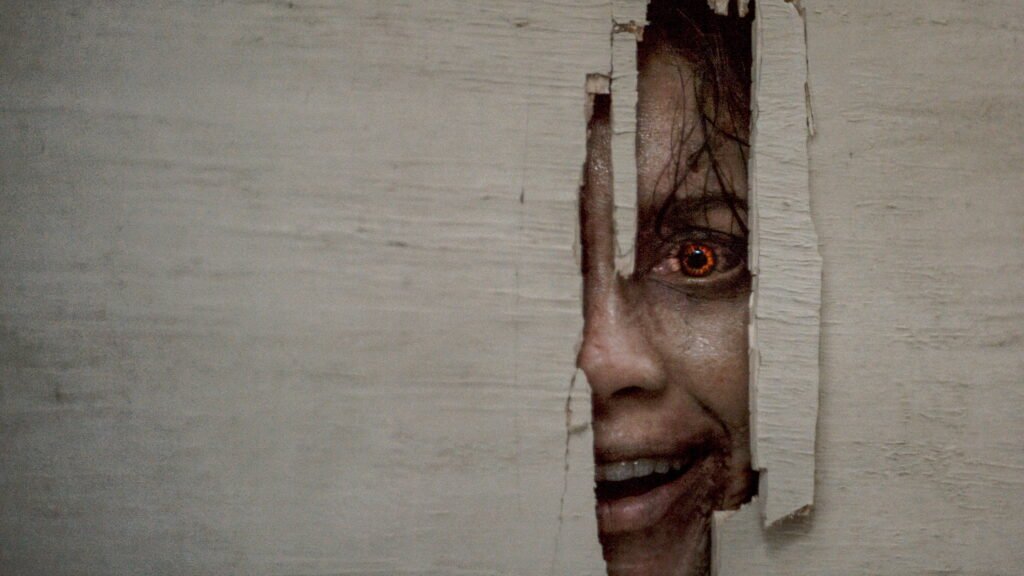
Creature designs rely on practical effects, a hallmark of the Evil Dead lineage, delivering tangible gore that feels more immediate than CGI alone.
Music and Sound
The score blends low, rumbling drones with occasional dissonant strings, heightening tension during transformation sequences. Sound design emphasizes the guttural whispers of the demonic entities, reinforcing the fear‑feeding premise.
While the music never overpowers the scene, it provides a consistent auditory thread that ties the emotional and horror beats together.
What Works — and What Does Not
What Works
- Compelling central performance by Souheila Yacoub
- Effective practical effects that honor the franchise’s legacy
- Thoughtful integration of grief and family drama into horror
What May Not
- Predictable plot twists in later acts
- Dialogue occasionally feels expository rather than natural
Who Should Watch?
Fans of the Evil Dead franchise looking for a fresh thematic angle
Viewers who appreciate horror that blends emotional stakes with gore
Audiences comfortable with graphic body horror and supernatural scares
Final Verdict
"Evil Dead Burn" delivers a solid blend of family‑driven drama and classic demonic horror, anchored by a strong lead performance.
The film’s practical effects and atmospheric direction honor the series’ legacy while exploring new emotional territory.
Predictable narrative beats prevent it from reaching greatness, but the thematic focus on grief adds depth.
Overall, it’s a worthwhile watch for horror enthusiasts seeking both scares and a touch of pathos.
Verified Movie Facts
| Title | Evil Dead Burn |
|---|---|
| Production countries | United States of America |
| Spoken languages | English, French |
| Certification | R |
| Production companies | New Line Cinema, Screen Gems, Ghost House Pictures |
| Series status | Released |
Frequently Asked Questions
What is the runtime of Evil Dead Burn?
The film runs for 110 minutes.
Who directed Evil Dead Burn?
The movie was directed by Sébastien Vaniček.
When was Evil Dead Burn released?
It was released on July 7, 2026.
Where can I stream Evil Dead Burn?
In the United States it is available on HBO Max (flatrate) as well as for rent or purchase on Amazon Video, Apple TV Store, Google Play Movies, YouTube, and Fandango At Home.